Archives
- 2026-10
- 2026-09
- 2026-08
- 2026-07
- 2026-06
- 2026-05
- 2026-04
- 2026-03
- 2026-02
- 2026-01
- 2025-12
- 2025-11
- 2025-10
- 2025-09
- 2025-04
- 2025-03
- 2025-02
- 2025-01
- 2024-12
- 2024-11
- 2024-10
- 2024-09
- 2024-08
- 2024-07
- 2024-06
- 2024-05
- 2024-04
- 2024-03
- 2024-02
- 2024-01
- 2023-12
- 2023-11
- 2023-10
- 2023-09
- 2023-08
- 2023-07
- 2023-06
- 2023-05
- 2023-04
- 2023-03
- 2023-02
- 2023-01
- 2022-12
- 2022-11
- 2022-10
- 2022-09
- 2022-08
- 2022-07
- 2022-06
- 2022-05
- 2022-04
- 2022-03
- 2022-02
- 2022-01
The protein kinase CK mediated phosphorylation of
2025-04-08
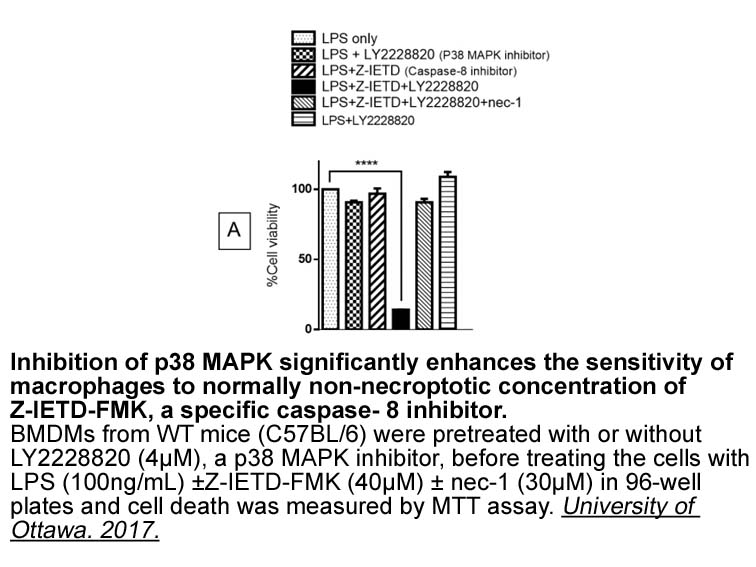
The protein kinase CK2-mediated phosphorylation of HMGN1 was implicated to be involved in age-associated amnesia in rats [31]. It was shown that the decreased level of HMGN1 phosphorylation due to the down-regulation of CK2 activity could cause amnesia in aged rats, whereas the treatment with protei
Introduction Heterotrimeric G proteins mediate signal
2025-04-07
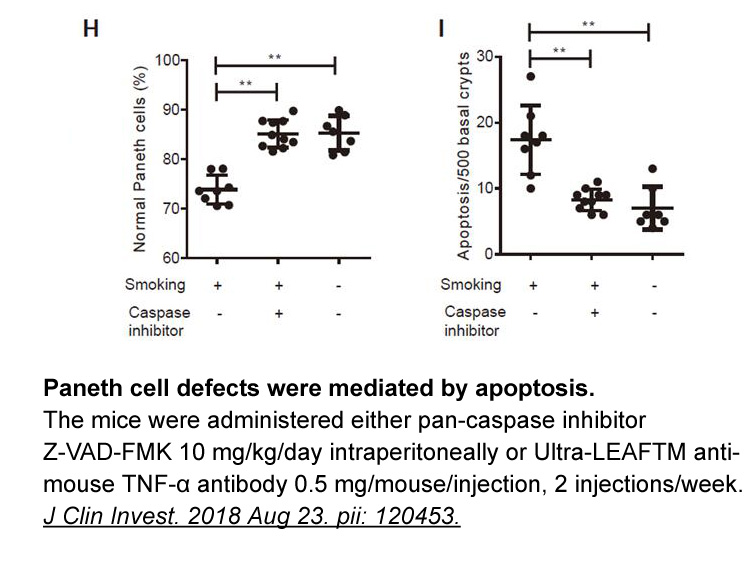
Introduction Heterotrimeric Gαβγ proteins mediate signal transduction through seven-transmembrane domain receptors. In response to neurotransmitters or hormones, activated receptors bind GTP via the Gα subunit leading to the dissociation of Gα from the Gβγ dimer. G proteins regulate the levels of s
br Antibiotic drug discovery approaches Traditionally novel
2025-04-03
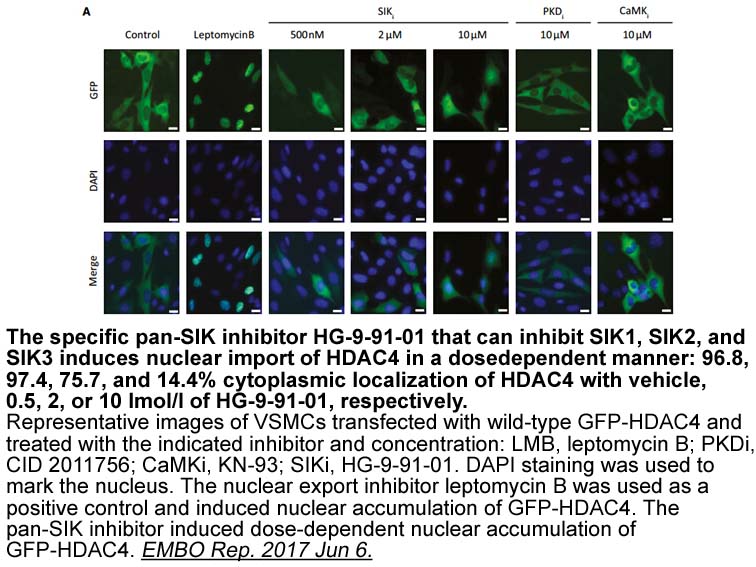
Antibiotic drug discovery approaches Traditionally, novel 2X Taq PCR Master Mix (with dye) were largely discovered by phenotypic screening approaches of various sources of compounds, such as natural products isolated from extracts of soil microbes and semi-synthetic or fully synthetic compound l
The electrokinetic remediation technique is carried
2025-04-03
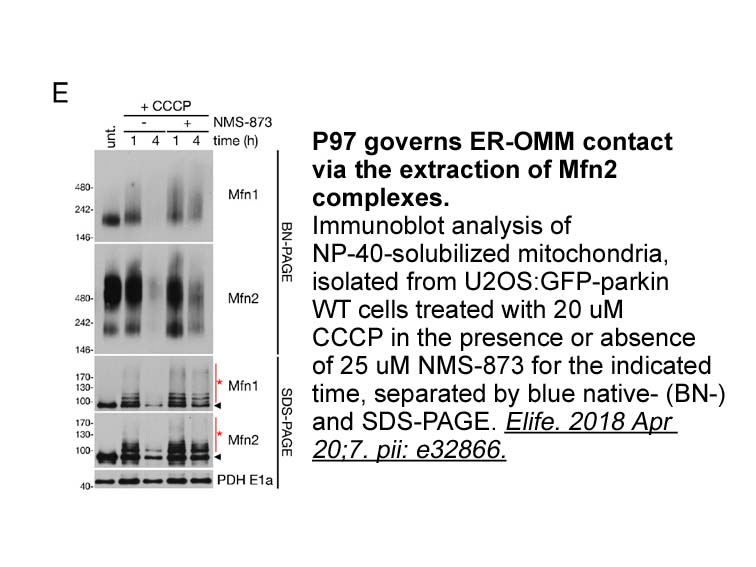
The electrokinetic remediation technique is carried out with a low-level direct current, and the pollutants in soil can be transported and removed by the electric field [19]. This works well even in soil with low permeability via electro-osmotic flow and electro-migration [20]. The electrokinetic pr
br Materials and method br Results and
2025-04-03
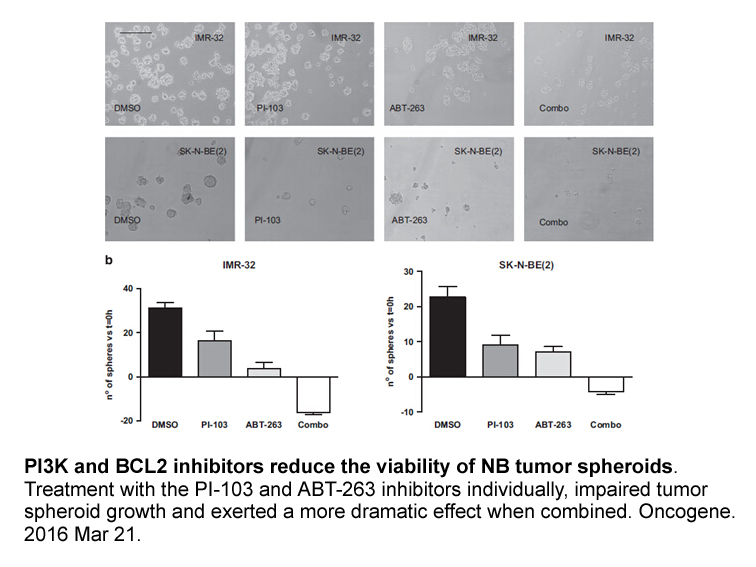
Materials and method Results and discussion Conclusion The adsorption behaviors of 5 antibiotics on 5 types of microplastic particles were investigated using batch type experiments. Our results showed that adsorption capacities varied among antibiotics, plastic types, and environmental cond
For all three fluorescent dyes used
2025-03-29
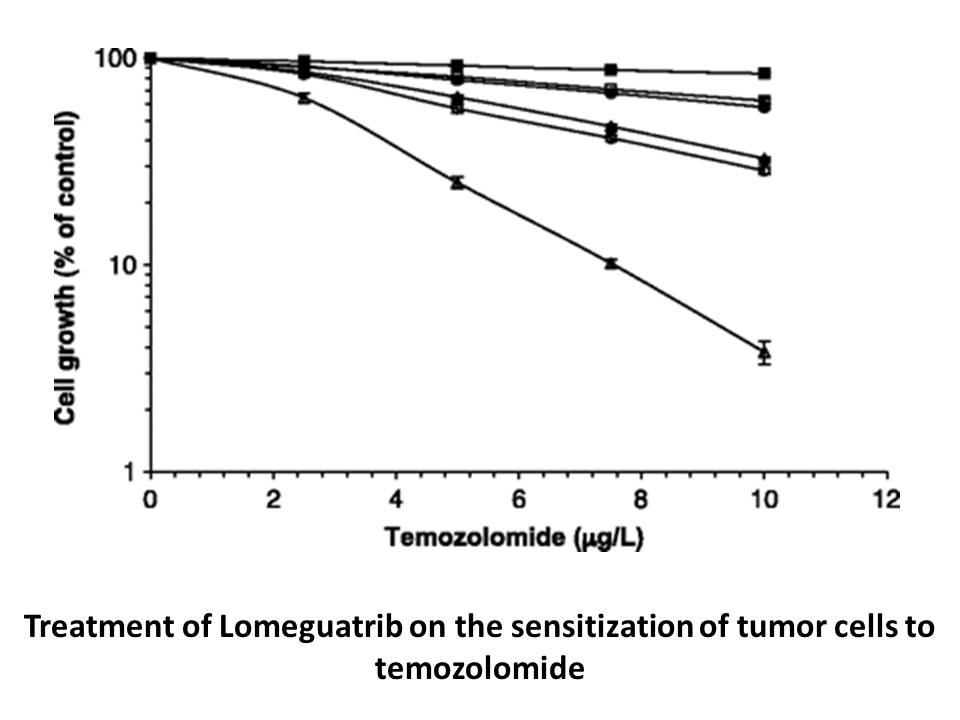
For all three fluorescent dyes used, the double-labeled UQ-bodies showed higher antigen responses. A plausible mechanism for the higher quenching observed for the double-labeled UQ-bodies is the dye-dye quenching due to H-dimer formation [19] between the two dyes introduced into the Fd and L chains.
EZ Cap™ Firefly Luciferase mRNA (5-moUTP) We designed SSOs t
2025-03-29
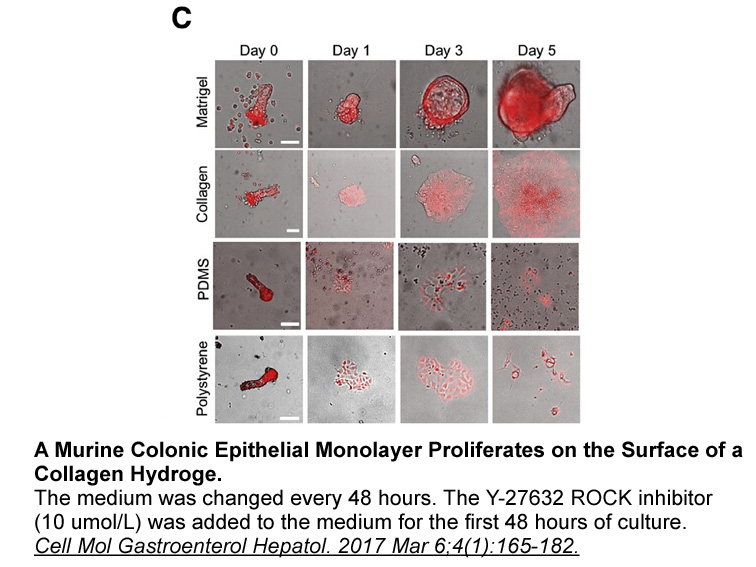
We designed SSOs that block APP exon 17 splicing and induce the production of an alternatively spliced APP mRNA lacking exon 17 (APPΔex17). APPΔex17 mRNA encodes an APP protein isoform that lacks 49 EZ Cap™ Firefly Luciferase mRNA (5-moUTP) including the γ-secretase cleavage sites that give rise to
It has been known for a while that oxygenation the
2025-03-28
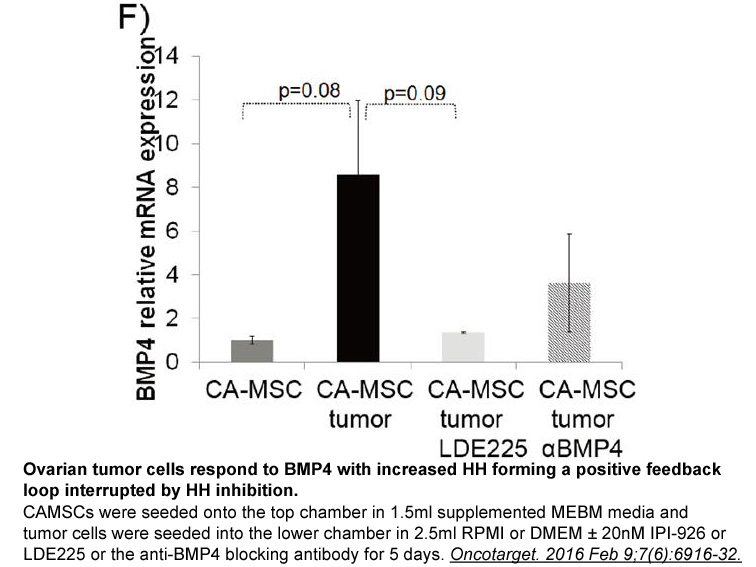
It has been known for a while that oxygenation (the addition of oxygen) of Aβ can inhibit the formation of amyloids and diminish their cytotoxicity. Photo-oxygenation of Aβ started with fullerenes almost a decade ago by Toshima and co-workers. Later, porphyrins and polyoxometalates were used as well
Hepatic inflammation and fibrosis are hallmarks of the
2025-03-28
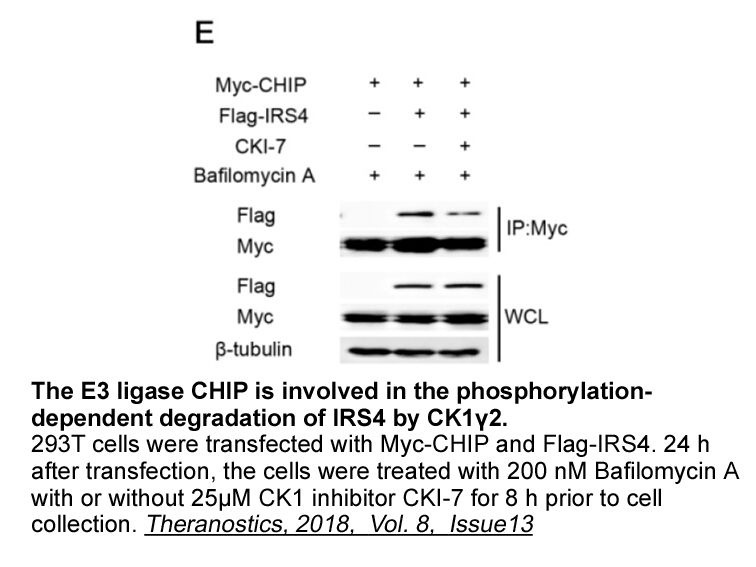
Hepatic HotStart™ 2X Green qPCR Master Mix and fibrosis are hallmarks of the NASH phenotype and are thought to occur in a subset of patients with NAFLD. While it is hypothesized that therapeutic lowering of hepatic lipids will be sufficient to improve hepatic fibrosis and inflammation secondarily, t
RNA interference assays have shown that the inhibition of AM
2025-03-28
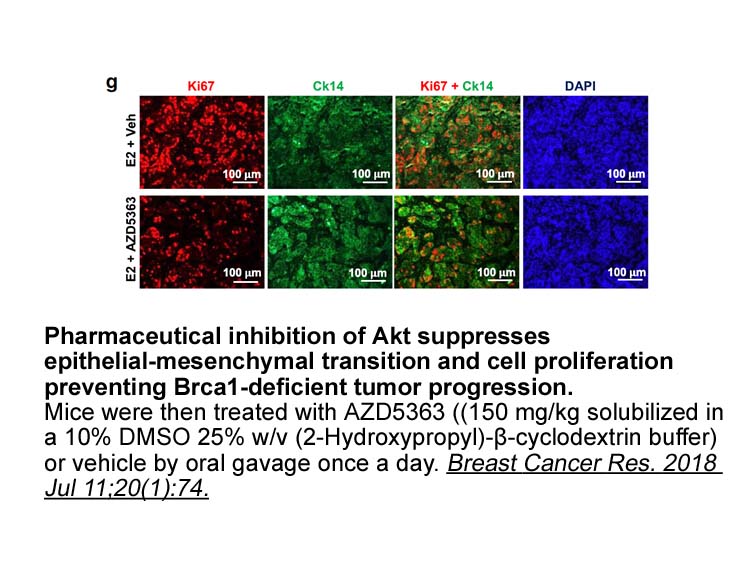
RNA interference assays have shown that the inhibition of AMPK expression leads to increases in TNF-α, IL-6 and cyclooxygenase-2 (COX-2) levels after LPS stimulus, whereas the transfection of macrophages with a constitutively active form of AMPKα1 results in decreased LPS-induced TNF-α and IL-6 prod
Based on their different sources
2025-03-26
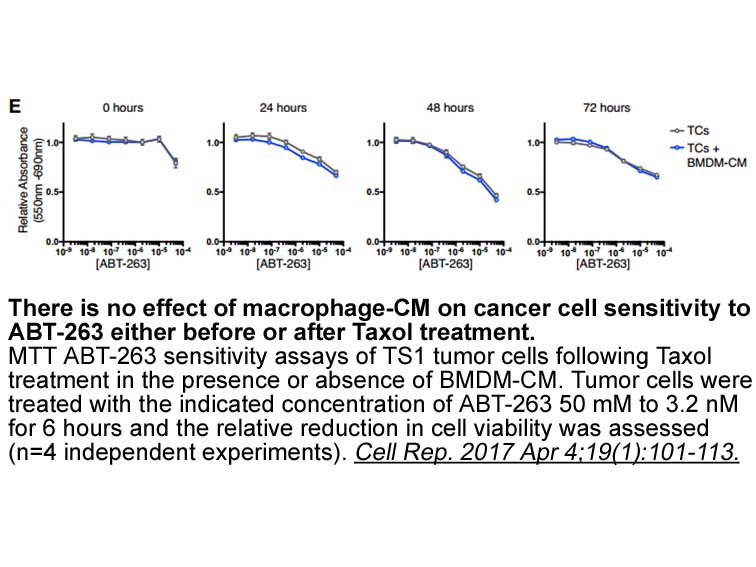
Based on their different sources, the APN inhibitors (APNIs) can be divided into the natural products and synthetic compounds. Bestatin (1, Fig. 1), isolated from the Streptomyces oliuoreticuli by Umezawa et al., is the first reported and only marketed natural dipeptidomimetic inhibitor of APN. Afte
In conclusion we identify in this
2025-03-26
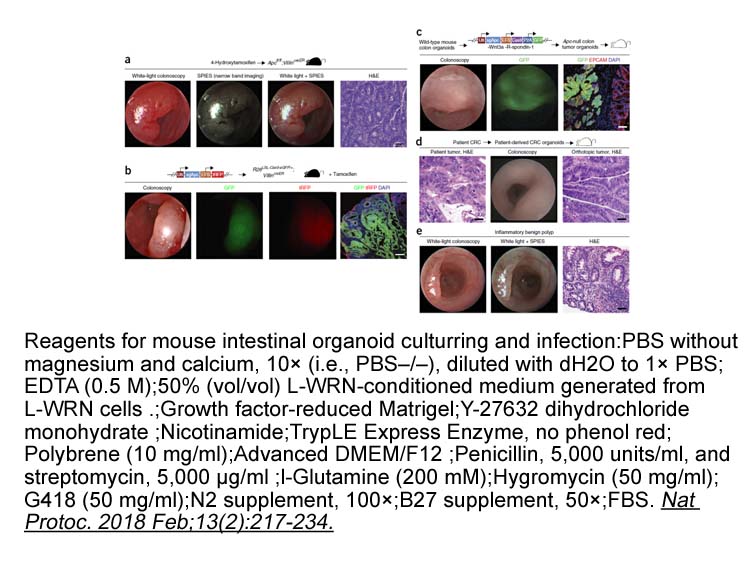
In conclusion, we identify in this report the molecular nature of the 12- and 15-lipoxygenases in M. mulatta and P. pygmaeus and also that the expression of the rhesus enzyme in lung epithelial cells is regulated by interleukin-4. The switch from a mainly 12-LO enzyme to a mainly 15-LO enzyme during
Cell Counting Kit-8 (CCK-8) With regard to participation of
2025-03-26

With regard to participation of the 12S-lipoxygenase in diabetes mellitus, inconsistent results have been obtained. Earlier studies demonstrated that the leukocyte-type 12S-lipoxygenase is specifically expressed in pancreatic b-cells and is involved in regulating glucose-stimulated insulin secretion
LOXs and CYPs are a series
2025-03-26
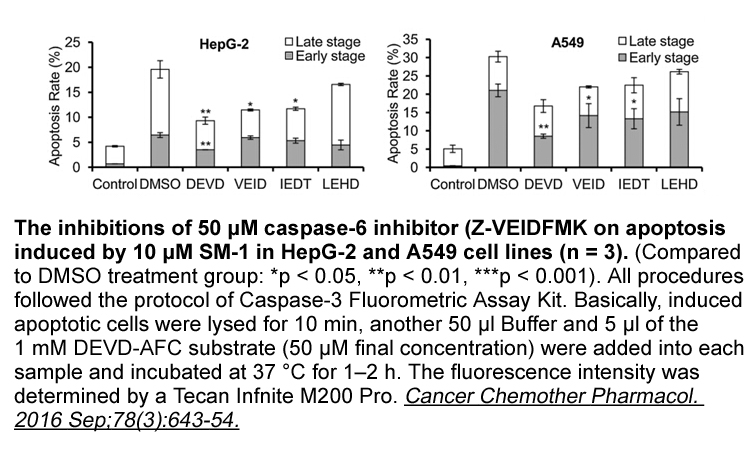
LOXs and CYPs are a series of iron-containing enzymes that metabolize arachidonic InstaBlue Protein Stain Solution to form biologically active products, such as epoxyeicosatrienoic acids (EETs) hydroperoxyeicosatetraenoic acids (HETEs), prostaglandins, leukotrienes and thromboxanes [6]. Among these
br Introduction Nonalcoholic fatty liver disease NAFLD is
2025-03-25
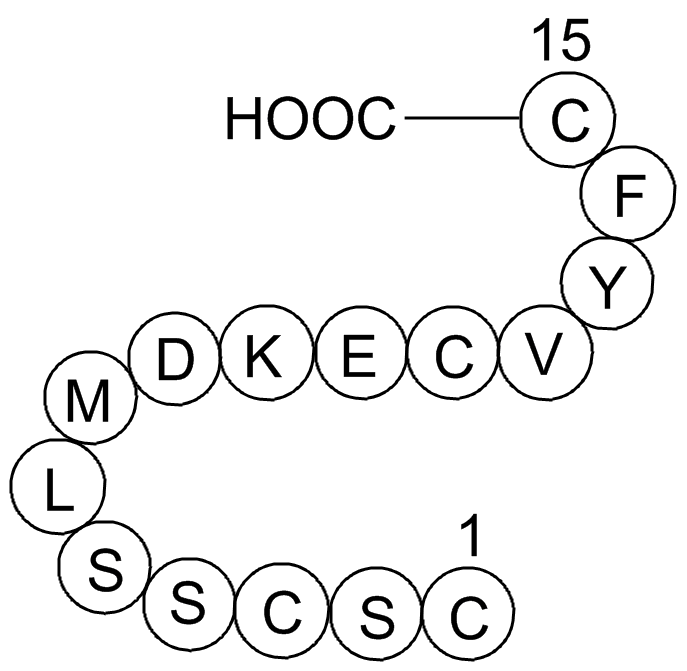
Introduction Nonalcoholic fatty liver disease (NAFLD) is a clinicopathologic spectrum of liver pathologies associated with excessive accumulation of fat in the liver. This spectrum is continuous but can be graded based on pathological features; in increasing severity, these are: bland steatosis,
8580 records 41/572 page Previous Next First page 上5页 4142434445 下5页 Last page