Archives
- 2026-10
- 2026-09
- 2026-08
- 2026-07
- 2026-06
- 2026-05
- 2026-04
- 2026-03
- 2026-02
- 2026-01
- 2025-12
- 2025-11
- 2025-10
- 2025-09
- 2025-04
- 2025-03
- 2025-02
- 2025-01
- 2024-12
- 2024-11
- 2024-10
- 2024-09
- 2024-08
- 2024-07
- 2024-06
- 2024-05
- 2024-04
- 2024-03
- 2024-02
- 2024-01
- 2023-12
- 2023-11
- 2023-10
- 2023-09
- 2023-08
- 2023-07
- 2023-06
- 2023-05
- 2023-04
- 2023-03
- 2023-02
- 2023-01
- 2022-12
- 2022-11
- 2022-10
- 2022-09
- 2022-08
- 2022-07
- 2022-06
- 2022-05
- 2022-04
- 2022-03
- 2022-02
- 2022-01
The surprising finding of our study
2025-02-14
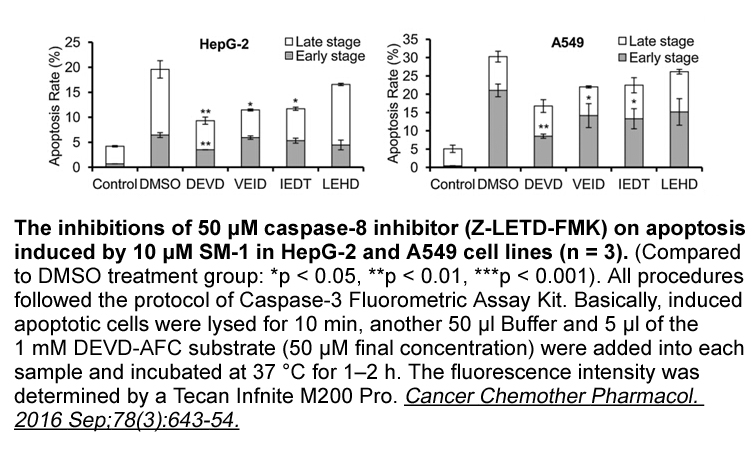
The surprising finding of our study is that human M1 macrophages stimulated by LPS express ALOX15B to high levels. So far 12/15-lipoxygenase activity was only reported for IL-4 stimulated anti-phlogistic M2 macrophages [9] but not for the classically activated M1 macrophages. Our data suggest that s
Receptors containing an x y subunit interface where x and
2025-02-14
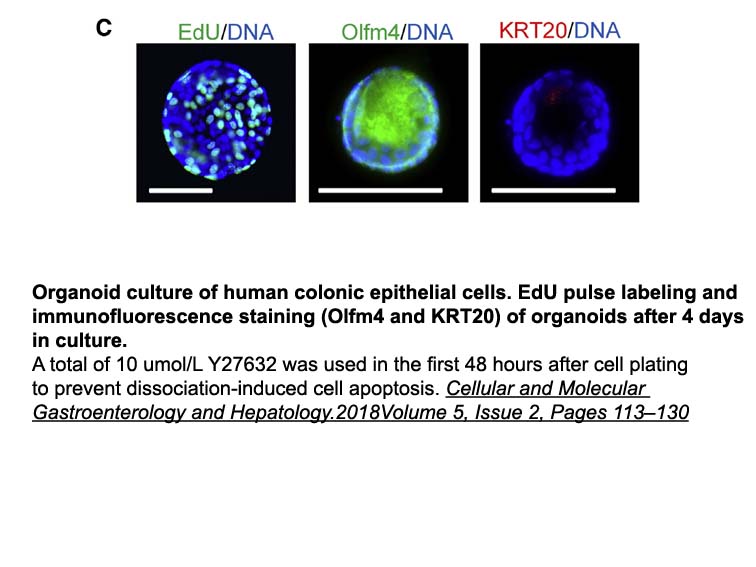
Receptors containing an αx/γy subunit interface, where x=1, 2, 3, 5 and y=1–3, form a high-affinity binding site for benzodiazepines (Figure 1A), for the later developed Z-drugs of different chemotypes, and for a large number of chemically distinct research compounds 17, 18 (Box 1 for examples). For
Thirdly and finally multiple studies
2025-02-14
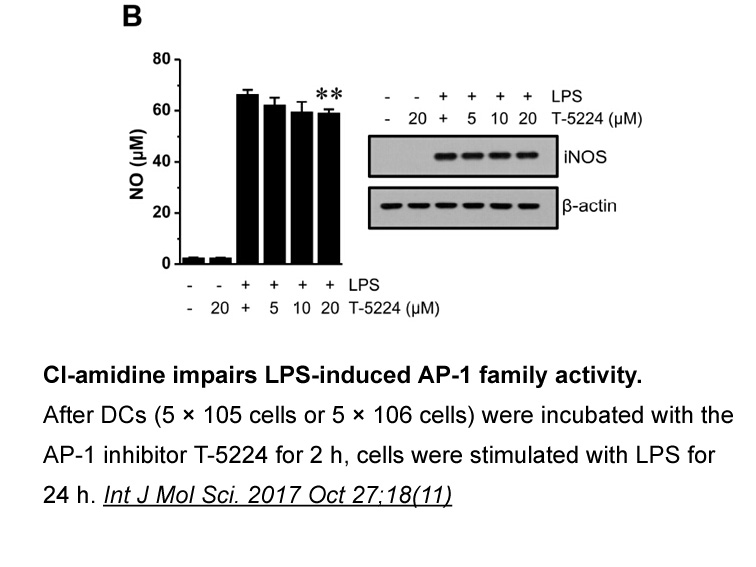
Thirdly and finally, multiple studies have analyzed the activation of neurons in the auditory telencephalic areas of songbirds in response to various auditory stimuli. Neuronal activation was identified by the increased expression of immediate early genes such as fos or ZENK (also know as zif-268, e
Despite these conflicting data about
2025-02-14
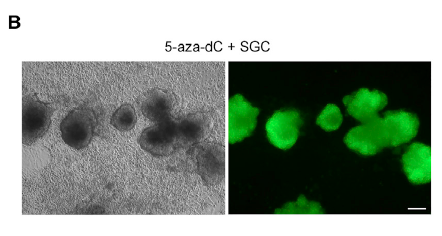
Despite these conflicting data about COX-2/ER correlations, a large body of evidence supports that elevated COX-2 expression in breast cancer is a constant feature of high stage disease and a predictor of worse outcome. Upregulation of COX-2 protein has been identified in approximately 40% of cases
Thus a majority of known chemical and physico chemical metho
2025-02-14

Thus, a majority of known chemical and physico-chemical methods of metallic ions assay has a number of disadvantages, such as a low sensitivity and selectivity, high costs and complexity of the equipment. Therefore, the development of simple cost-effective sensitive methods of quantitative analysis
In a study highlighted the
2025-02-14

In 2010, a study highlighted the usefulness of arginase-1 as a sensitive and specific marker of hepatocytic differentiation for diagnostic pathology [9]. Subsequent studies have validated the high sensitivity and specificity of arginase-1, in particular its added value in evaluating poorly different
The current findings proved that citral
2025-02-14
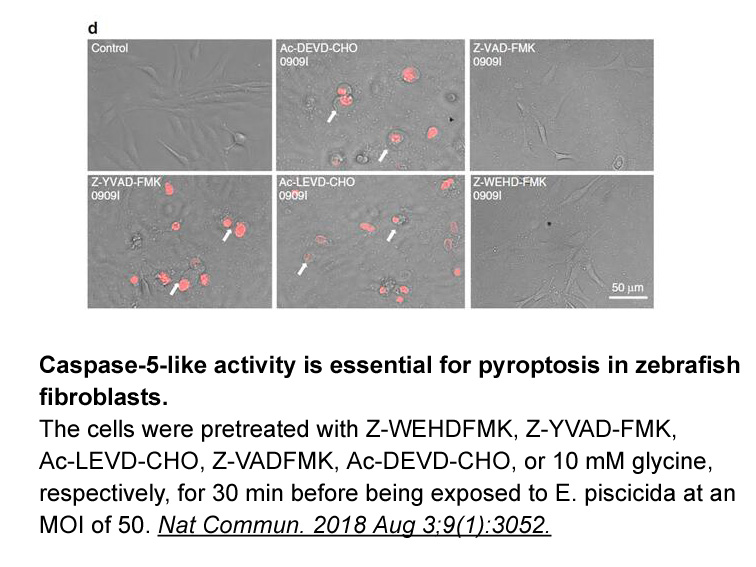
The current findings proved that citral treatment induced mitochondrial-mediated apoptotic cell death in both HCT116 and HT29 through the p53 and ROS. As such, citral promoted apoptosis as evident by the externalization of PS and dissipation of Δψm at 24h of treatment in HCT116 and HT29 cells. These
br Future directions outlook Peptide
2025-02-14
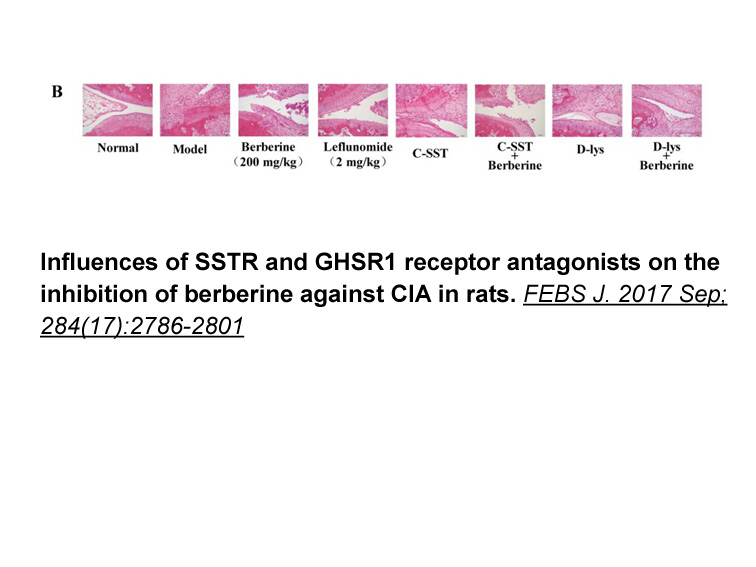
Future directions-outlook Peptide-based macrocycles are among the privileged scaffolds in antibiotic drug discovery. Many compounds were discovered by natural product screening and developed unchanged, or as semi-synthetic derivatizations. Since the golden age of antibiotic discovery (1940s-mid 1
Kidney contributes importantly to the long term blood pressu
2025-02-14
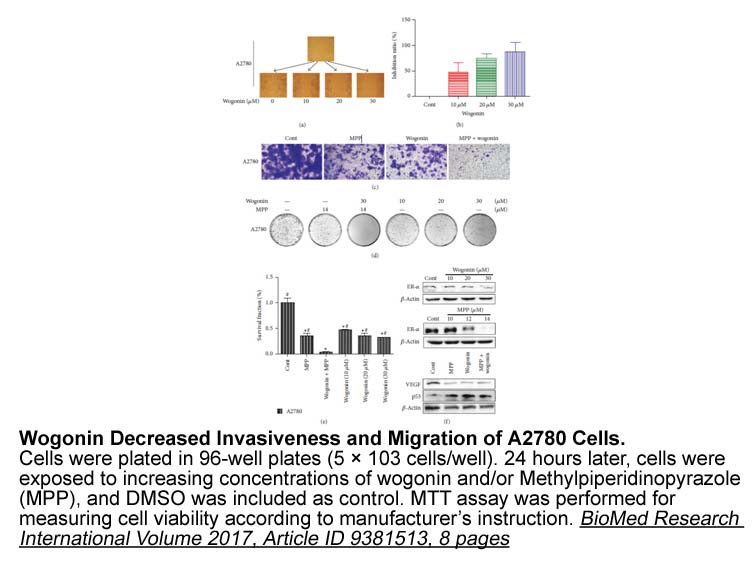
Kidney contributes importantly to the long-term blood pressure control via regulating sodium homeostasis. Renal proximal tubule (RPT) is one of the most critical segments for sodium reabsorption within kidney and therefore involved in blood pressure adjustment. This process is regulated by numerous
Aconitase clusters are prone to oxidations and are among the
2025-02-14
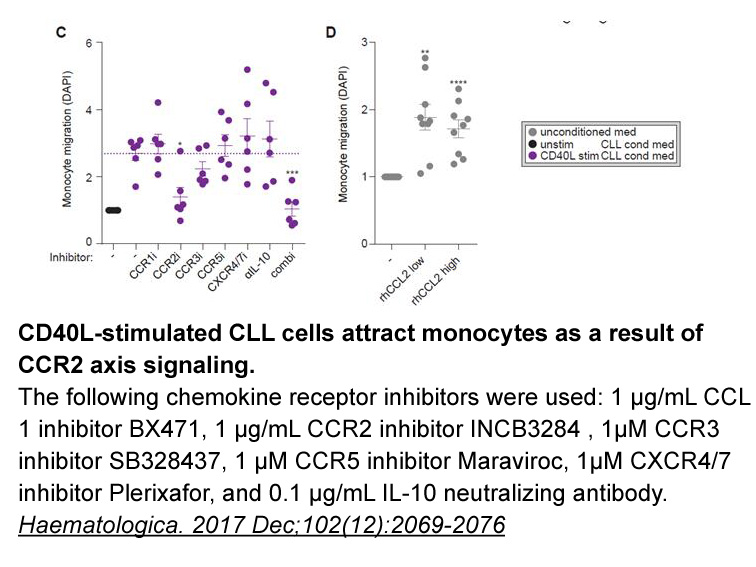
Aconitase clusters are prone to oxidations and are among the first to undergo a change in transition state during stages of electrophilic stress rendering them inactive [31]. Aconitase activity in LETO and OLETF did not differ at T0 suggesting that the early onset of insulin resistance may not be at
br Materials and methods br
2025-02-14
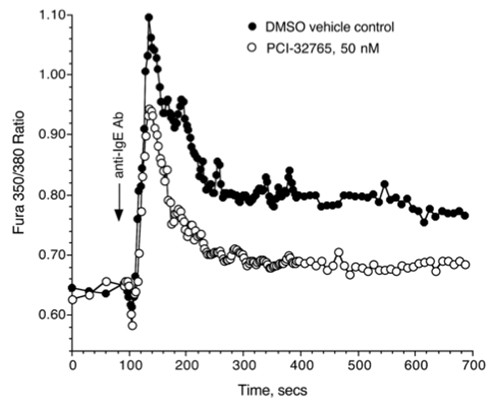
Materials and methods Results Discussion Our results revealed that LPS injection in rats impaired fear memory in the PA task. This results are in agreement with the most of previous studies reported that following acute [23,24,39,[45], [46], [47]] or chronic systemic rat 4 receptor [30] fe
It has been known for a while that
2025-02-14
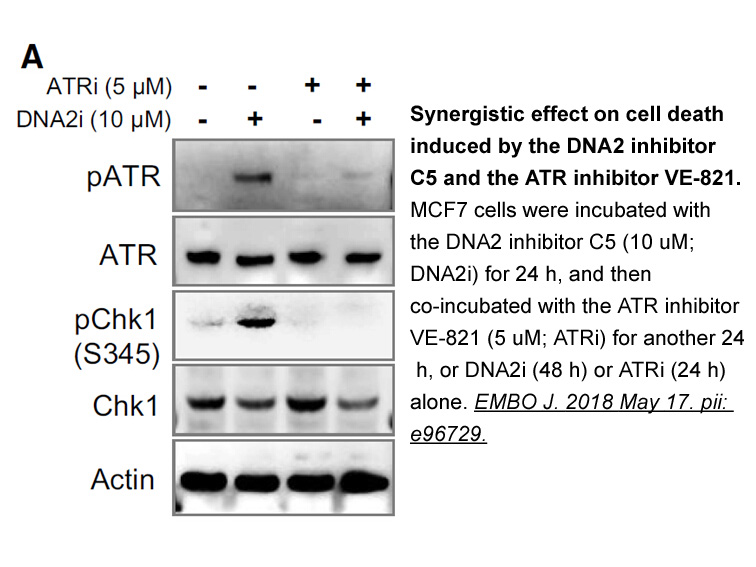
It has been known for a while that oxygenation (the addition of oxygen) of Aβ can inhibit the formation of amyloids and diminish their cytotoxicity. Photo-oxygenation of Aβ started with fullerenes almost a decade ago by Toshima and co-workers. Later, porphyrins and polyoxometalates were used as well
A Venn diagram representing RNA
2025-02-14
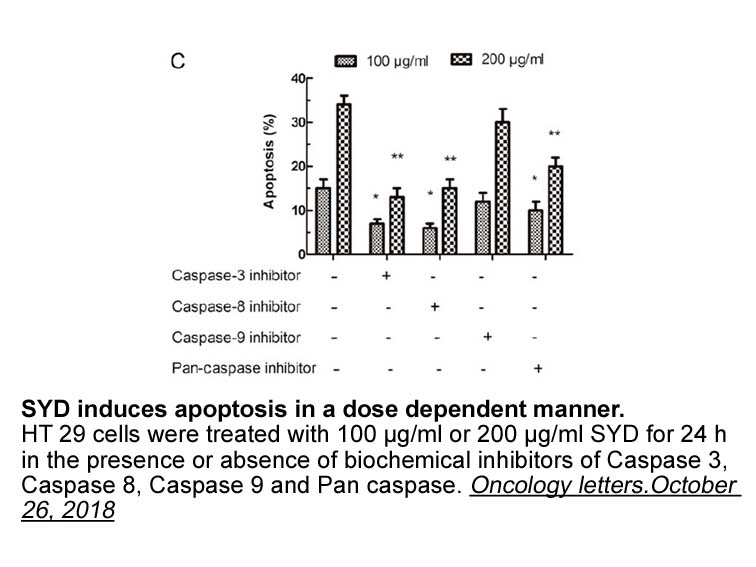
A. Venn diagram representing RNA-seq data that show the number of gene overlaps in GFP and HepKO livers after chronic PF-06409577 dosing. B. Top canonical pathways that changed according to Ingenuity Pathway Analysis after chronic PF-06409577 dosing. C. Fibrosis-related genes that were altered in GF
In conclusion we demonstrated that in
2025-02-14
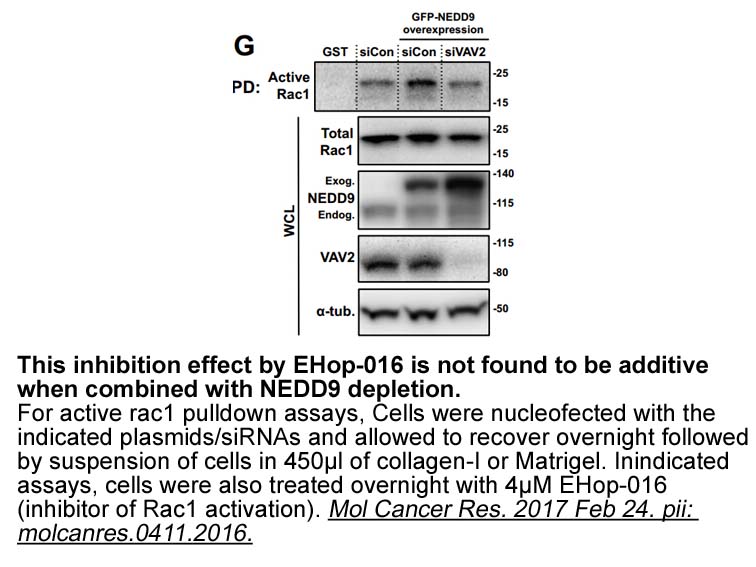
In conclusion, we demonstrated that, in the skeletal muscle of rats with T1DM, CRBN levels increased and AMPK, Akt, GLUT4, PGC-1α, and FNDC5 levels decreased, resulting in increased fasting glucose levels. Aerobic exercise training decreased levels of CRBN, which was possibly mediated by AMPK, Akt,
Dose Response Studies Against Puromycin Sensitive
2025-02-14
Dose–Response Studies Against Puromycin–Sensitive Aminopeptidase (PSA). PSA is a ubiquitous metallopeptidase encoded by the NPEPPS gene with subcellular distribution in the cytosol and nucleus [49]. Comprising of a 919 amino RG7388 sequence, it has a broad substrate specificity, and is responsible
8580 records 51/572 page Previous Next First page 上5页 5152535455 下5页 Last page